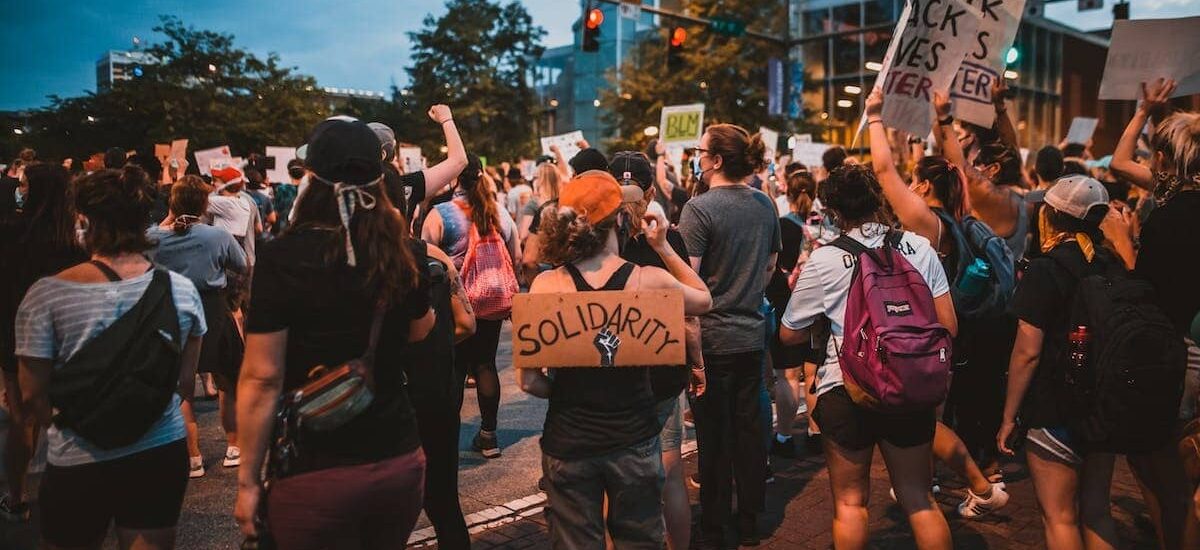
In an increasingly globalized world, the issue of individuals in irregular situations is becoming more and more significant. These people, often left behind, need the support of others to survive in sometimes hostile environments. In response, acts of solidarity can make a difference. Ten of these will be explored here, offering everyone the opportunity to contribute to the edifice of humanity. These gestures, simple and accessible to all, allow us to reach out to those who are in the shadows, bringing them a little light and humanity.
Individuals in Irregular Situations: A Look at Their Reality
Individuals in irregular situations face multiple challenges, including a lack of access to social and legal services. To address this problem, organizations have mobilized to create a bridge between these individuals and the various existing aid mechanisms. It is in this perspective that the association for undocumented migrants intervenes.
The association for undocumented migrants was born from the desire to provide comprehensive support to undocumented individuals, giving them access to free and professional legal advice. This is essential as it helps these individuals better understand their rights and navigate with more confidence through the complex judicial system they often face.
Not only does the association provide a valuable service by helping undocumented individuals understand and assert their fundamental rights, but it also offers practical assistance on how to manage access to medical care, find housing, or integrate professionally.
Despite their crucial work, these associations face several obstacles that hinder their solidarity mission. Insufficient funding remains a constant concern: they heavily rely on private donations and volunteer work to maintain their daily operations. Legal restrictions also pose a major barrier; many believe that actively supporting undocumented individuals can be considered illegal or even criminal.
Similarly, the social stigma faced by both migrants and those who seek to help continues to be a significant obstacle. It is difficult to garner public support when a large portion of it views your cause negatively.
Despite all these challenges, however, the very existence of the association for undocumented migrants is a testament to the extraordinary power of human solidarity when it comes together around a common cause that guarantees the respect of the fundamental rights inherent to every human being.
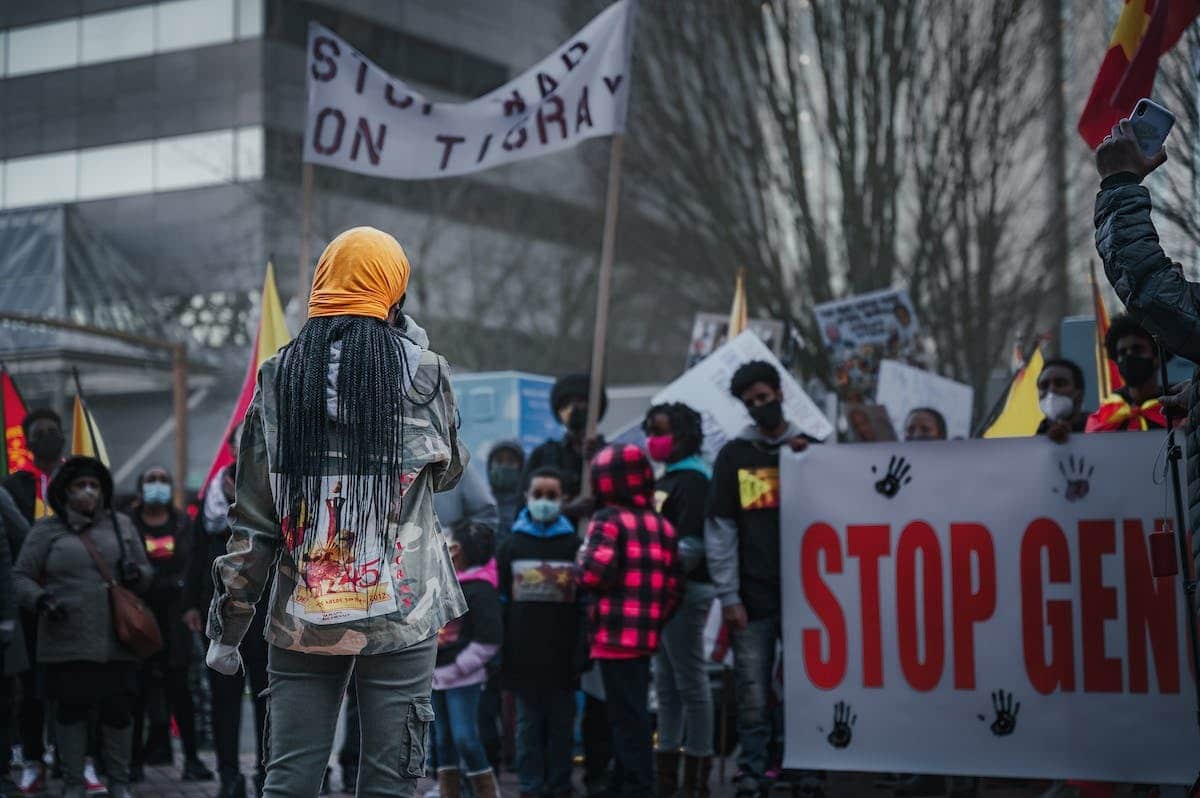
The Challenges of Undocumented Individuals: A Daily Struggle
Here are some acts of solidarity you can adopt to support individuals in irregular situations:
• Make a donation to associations: Organizations that assist undocumented individuals need financial resources to carry out their actions. You can make a donation, no matter how modest, to contribute to their mission.
• Become a volunteer: If you have free time and specific skills, why not engage as a volunteer with an association? Your expertise could be valuable in providing legal or administrative support to undocumented individuals.
• Act with empathy: Remember that behind every story of an individual in an irregular situation lies a person with their aspirations and personal struggles. Be attentive and respectful when interacting with them.
• Inform about fundamental rights: Spread clear information about the fundamental rights that individuals in irregular situations can benefit from. This will help raise public awareness and assist these individuals in accessing their rights.
• Promote cultural diversity: Highlight the richness brought by different cultures present in your community and reject any form of discrimination or prejudice based on nationality or migration status.
• Mobilize your social networks: Use your social platforms to share inspiring stories of individuals in irregular situations who have successfully overcome obstacles and integrated. This will help change negative perceptions and promote a positive image.
• Establish partnerships: Seek to establish sponsorships or partnerships with businesses, local institutions, or even other associations to strengthen support for undocumented individuals. Together, it is possible to find more innovative solutions.
• Support politically: Educate yourself about political positions regarding the status of undocumented individuals in your country and vote for those who advocate for their cause. Pressure your local political representatives to consider this issue when implementing migration policies.
• Raise awareness in the media: Encourage traditional and social media to shed light on the daily reality of individuals in irregular situations. The more informed society is, the better it will understand the difficulties these individuals face.
• Promote education: Contribute financially or as a volunteer to educational initiatives aimed at undocumented individuals. This can include language courses, vocational training, or any other type of activity that fosters their socio-professional integration.
By adopting these acts of solidarity, you will provide valuable support to individuals in irregular situations and help build a more inclusive and supportive society. Together, we have the power to change things and offer a better life to those in need.
Solidarity: Acts to Support Them
When discussing support for individuals in irregular situations, it is crucial not to overlook their emotional and psychological well-being. Indeed, these individuals face considerable challenges, often marked by isolation, constant fear, and stress related to their precarious administrative status.
Offering moral and psychological support can help alleviate this emotional burden and foster their resilience in a society that does not always recognize their fundamental rights. Here are some gestures you can adopt:
Listen: Take the time to listen attentively to the stories of individuals in irregular situations. Show them that you are willing to hear their concerns, difficulties, and hopes. This simple act of listening can be an important first step toward mutual understanding.
Empathy: Put yourself in these individuals’ shoes by imagining the challenges they face daily. Show empathy to better understand what they feel and thus offer adequate support.
Encourage emotional expression: Undocumented individuals may feel stifled by the weight of their complex administrative situation. Encouraging healthy emotional expression can help relieve this accumulated inner tension.
Refer qualified professionals: If you feel that someone needs more specialized follow-up, do not hesitate to recommend professional services such as psychologists or social workers specialized in supporting individuals in migration situations.
Create safe spaces: Create a safe environment where undocumented individuals can express themselves freely, without fear of judgment or retaliation. This can be done through discussion circles, community gatherings, or any other space for supportive exchange.
Organize recreational activities: Propose and participate in recreational activities that allow individuals in irregular situations to have fun and relieve the daily stress related to their precarious status. Whether through sports, music, or dance, these light moments contribute to overall well-being.
Encourage the creation of a strong social network: Social relationships are essential for everyone, regardless of their administrative status. Help undocumented individuals build a strong social network by facilitating their integration into your local community.
Inform about available resources: Provide them with an updated list of organizations and associations that offer moral and psychological support specifically tailored to complex migration situations.
General awareness: Contribute to raising public awareness about the emotional challenges faced by individuals in irregular situations to combat stigma and encourage collective empathy toward this often-unknown reality.
A day dedicated to well-being: In collaboration with local associations, organize a day dedicated to the mental and emotional well-being of individuals in irregular situations. Workshops on relaxation, meditation, or art therapy can be offered to promote relaxation and personal growth.
By offering moral and psychological support to individuals in irregular situations, you can play a valuable role in their integration process and help alleviate the suffering associated with their precarious status. Remember that every gesture counts and think about acting together to create a more inclusive society where everyone can fully thrive.
Moral and Psychological Support: A Necessity
In the continuation of the acts of solidarity toward individuals in irregular situations, you should be attentive. To help improve their daily lives and offer concrete support, here are some acts of solidarity you can adopt:
Solidarity housing: If you have available housing or know someone who could temporarily host an individual in irregular situations in need, do not hesitate to propose this solidarity solution. This can help these individuals avoid homelessness and provide them with some comfort while they seek more stable solutions.
Food donations: Charitable organizations play a crucial role in distributing food to those in need, including those in irregular situations. You can contribute through financial or material donations to these organizations to ensure adequate food for all.
Access to medical care: In some countries where access to medical care is limited for undocumented individuals, there are free or subsidized medical centers specifically dedicated to this vulnerable population. Inquire about these facilities and share this information with the individuals concerned so they can obtain the necessary care.
Administrative assistance: The administrative processes related to irregular status can be complex and discouraging. If you have knowledge in this area, offer your help to guide and support them through these often-challenging bureaucratic processes.
Language courses: Learning the local language is fundamental for successful integration. You can offer volunteer language courses or help find accessible learning resources for individuals in irregular situations so they can communicate more easily with their everyday environment.
Access to education: Promote access to education by informing undocumented individuals about educational programs suited to their specific status. Also encourage schools and universities to implement inclusion policies that allow young undocumented individuals to continue their studies.
Professional support: Help individuals in irregular situations develop their professional skills and facilitate their integration into the job market by connecting them with organizations specialized in supporting this specific population.
Access to public transport: In some cases, obtaining a transport card can be difficult for undocumented individuals, so share your knowledge on how they can access the public network or simply offer to be a temporary driver to facilitate their essential travel.
Support local solidarity commerce: By purchasing from local or solidarity organizations, you can help support initiatives aimed at assisting individuals in irregular situations. Some shops or associations use part of their profits to fund social projects.
Awareness and mobilization: Support citizen campaigns and solidarity movements that seek to promote the societal inclusion of undocumented individuals. Share their message on social media, participate in peaceful demonstrations, and encourage constructive dialogue around this major issue.
By putting these acts of solidarity into practice, we can all play our part in building a more inclusive society where every individual has access to essential needs and can live with dignity, regardless of their administrative status. Let us not forget that solidarity is a fundamental value that strengthens our social fabric and fosters a fairer world for all.
Access to Essential Needs: A Vital Aid
In a society where social and professional integration plays a crucial role, it is essential not to overlook individuals in irregular situations. Encouraging their integration into social and professional life can help improve their well-being and foster their autonomy.
Sponsorship: Sponsorship is a solidarity initiative that involves pairing an individual in an irregular situation with a citizen or regular resident. The latter can provide support, share their knowledge of the local socio-economic system, and help the beneficiary build important social connections.
Internships and professional training: By offering internship or professional training opportunities tailored to the specific needs of individuals in irregular situations, we facilitate their access to the job market while enhancing their professional skills.
Entrepreneurial support: Some undocumented individuals have the ambition to start their own business as a sustainable means of livelihood for themselves and their families. Supporting them in creating a business can be a concrete way to help them realize this ambitious entrepreneurial project.
Professional networking: Facilitating networking between undocumented individuals and local economic actors is also a relevant measure to encourage professional integration. These contacts can lead to job opportunities or the creation of a strong network in which individuals in irregular situations can find support.
Employer awareness: It is important to raise awareness among employers about the reality of undocumented individuals and encourage them to offer fair and non-discriminatory job opportunities. Organizing awareness sessions for businesses can help break down prejudices and promote better professional integration.
Access to banking services: Access to banking services is often restricted for undocumented individuals, making it difficult for them to participate in the formal economy. Encouraging them to open a bank account would not only secure their income but also establish the necessary financial traceability in a professional context.
Professional mentoring: Establishing a professional mentoring system involving citizens or regular residents can greatly assist individuals in irregular situations in integrating into the workforce. This mentor can share their experience, provide personalized advice, and guide the beneficiary toward professional success.
Recognition of acquired skills: To facilitate socio-professional integration, it is essential to officially recognize the skills acquired outside the home country by these talented but administratively marginalized individuals. This could be done through evaluation and validation of their skills by specialized organizations.
Psychological support: Individuals in irregular situations may face psychological difficulties related to administrative obstacles and their precarious status. Offering specific psychological support can help them overcome these challenges and promote their well-being.
Scholarship programs: Establishing scholarship programs for undocumented individuals who wish to pursue higher education is a solidarity initiative that paves the way for autonomy and personal development.
By encouraging the social and professional integration of individuals in irregular situations, we contribute not only to their individual well-being but also to the economic and social dynamism of our society. Investing in these acts of solidarity will open permanent doors to real integration based on mutual respect and recognition of each person’s potential.
Social and Professional Integration: A Path to Autonomy
In this section, we will discuss ten additional gestures that can be made to support individuals in irregular situations. These solidarity actions aim to promote their social and professional integration while offering them caring support.
Learning the language of the host country is beneficial for undocumented individuals. By offering accessible and tailored language courses to their specific needs, we contribute to strengthening their language skills, thus facilitating their personal and professional development.