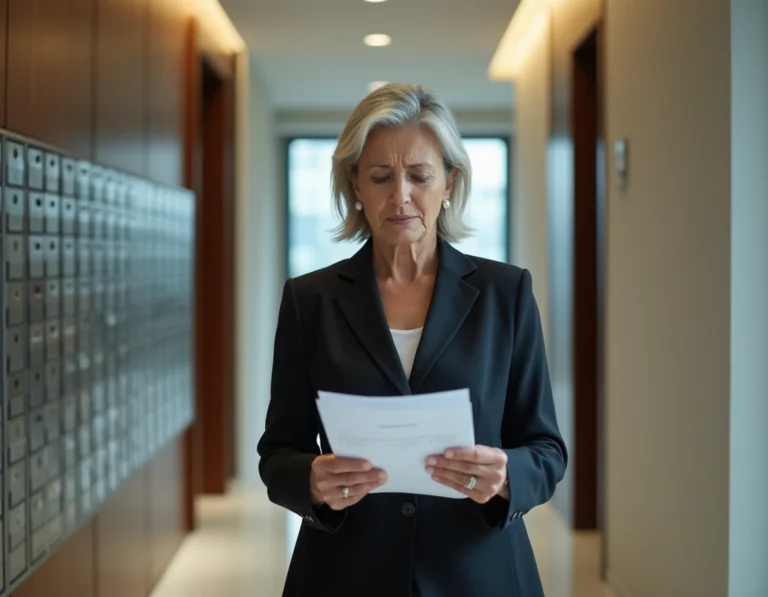
The Education Code lays down a straightforward rule: an ATSEM must never assume sole responsibility for a class, except in a clear emergency and for an extremely brief period. Yet, this official guideline sometimes wavers under the pressure of reality: last-minute absences, makeshift replacements, teams reduced to the bare minimum. As a result, there are times when the ATSEM finds herself alone with the students, far from the framework established by the texts.
Behind the apparent solidity of the law, each school adapts to the unfolding emergencies. School heads, teachers, and local authorities strive to fulfill their mission, even as resources often struggle to keep pace with the demands. On the ground, the system resembles more of a balancing act than administrative mechanics.
What the regulations say about an ATSEM being alone with students
At the heart of nursery schools, the question keeps resurfacing. According to the Education Code and decree no. 92-850 of August 28, 1992, the mission of specialized territorial agents in nursery schools is precisely defined: to assist and support the teacher, without ever taking on that role. The ATSEM assists; she does not supervise independently.
Article 2 of the decree states unequivocally: the ATSEM “assists the teaching staff for the reception, animation, and hygiene of very young children.” In clear terms, the animator, the group leader, and the one responsible for safety remains the lead teacher. The municipal agent intervenes only occasionally, to assist with a bathroom visit or respond to an emergency, and always within a temporary framework.
To better visualize the regulatory framework, one must keep these concrete rules in mind:
- Responsibility for the student: the teacher remains solely responsible for educational supervision and safety.
- Very limited exceptions: if the teacher must be absent for a compelling and very brief reason, the ATSEM may stay with the children for a few moments, without exceeding this occasional use.
The status of territorial agents does not at any time provide for the replacement of the teacher. The circular of August 9, 2017, supports this: the ATSEM acts under the direction of the teacher, never as a conductor. Jurisprudence reminds us that entrusting the supervision of a nursery class to an ATSEM alone is not without legal risk. On paper, the rule is clear. But the reality of daily school life sometimes adapts to emergencies or scheduling accidents. To explore the regulatory question further, consult can an atsem stay alone in class.
ATSEM alone without a teacher: what does the law really allow?
On days when the number of students is reduced or an unforeseen event occurs, the question often arises: can we leave a group of children under the supervision of the ATSEM when the teacher is away, in a meeting, or temporarily absent? In this boundary game, the regulations leave no room: the ATSEM has neither the delegation nor the responsibility for the group in the teacher’s absence.
In fact, direct supervision and group animation remain the prerogative of the class teacher. Even in cases of experience, goodwill, or local reality, the ATSEM cannot assume, even temporarily, the responsibility for collective animation or a school outing. The Education Code and the status of territorial agents remind us that the legal management of the group remains that of the teaching staff, without ambiguity.
To clarify the boundary of missions, these guidelines should be kept in mind:
- In groups or classes, the ATSEM always works under the authority and responsibility of the teacher.
- During outdoor activities or transit times, the presence of the teacher is mandatory.
- For a very brief and justified passage, the ATSEM may accompany the children, but never takes the place of the lead teacher.
Never, neither in the texts nor in the spirit of the law, is the ATSEM intended to replace or independently supervise a group of students, regardless of the circumstances. This boundary protects the safety of the children and the functioning of the nursery school, clearly establishing everyone’s responsibility.
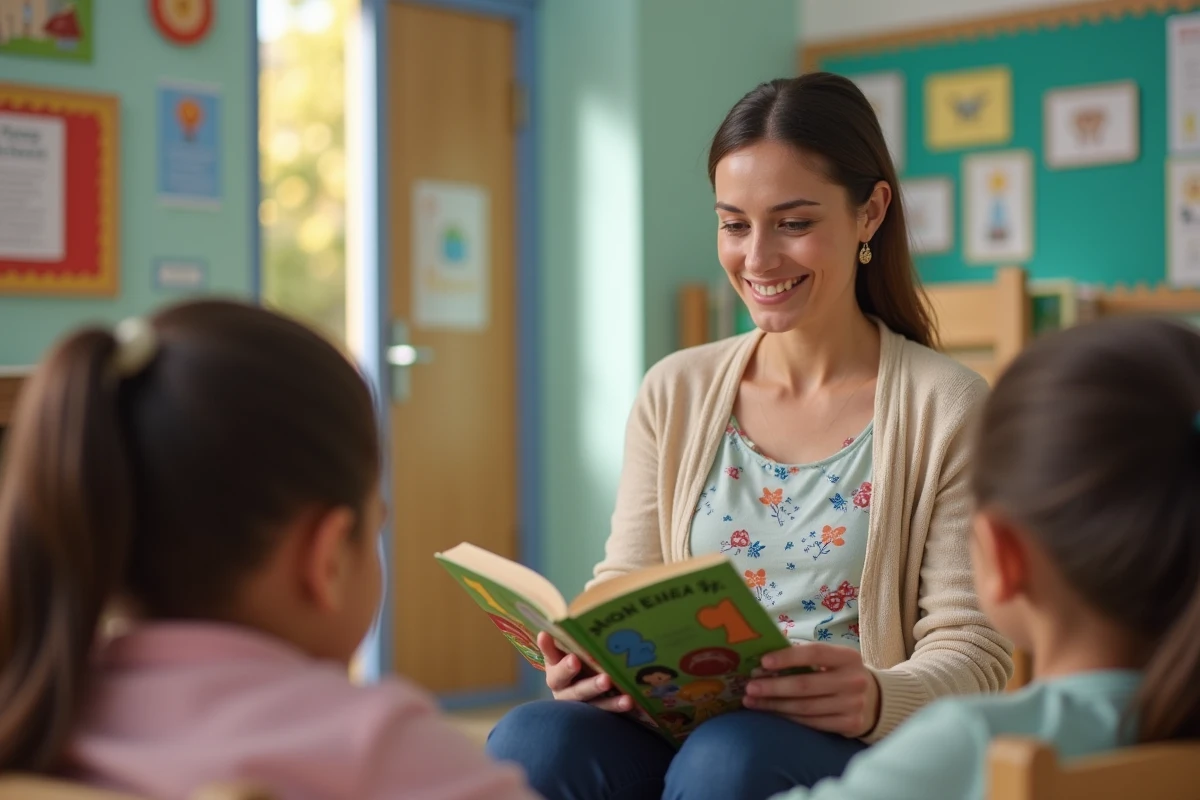
How to manage daily life when the ATSEM must remain alone: best practices
The daily life of nursery schools is never perfectly smooth: unexpected events, bathroom visits, schedule changes… All these situations can lead to the ATSEM being alone, even for a few minutes, with a group. The practice then requires balancing immediate adaptation with strict adherence to the framework defined by the National Education and territorial function.
Anticipate, frame, exchange: the triptych of effective management
To navigate these inevitable situations, certain methods make class management smoother:
- Plan short, calm, and autonomy-friendly activities: table games, reading corner, simple sensory exercises. These moments encourage children’s self-management while limiting movement.
- Establish visual and auditory rituals: pictograms to remind rules, musical signals for gathering, repeated instructions together. These markers reassure and limit agitation.
- Rely on regular dialogue between the ATSEM and the teacher: communication allows for anticipating absences and clarifying the course of action in case of an unforeseen event.
Implementing a shared communication sheet allows for conveying all key information: allergies, specific needs, vigilance instructions. The materials created and validated by the teacher facilitate temporary handover. They especially avoid any confusion between assistance and actual pedagogical management.
It is wise to adhere to an unchanging principle: the solitary management of the class should only be an exceptional response, and always with the explicit approval of the teacher. Prioritizing safety, respecting the missions and roles of each: this is the key to maintaining the balance of the collective and the trust of each family.
No matter what happens, life in the nursery school moves forward without pause. The children are restless, the organization wavers, each morning brings its surprise. One certainty remains: the trust placed in the ATSEM is built on this invisible line of conduct. A discreet but necessary compass for the classroom doors to open, each day, to a safe and structured space.