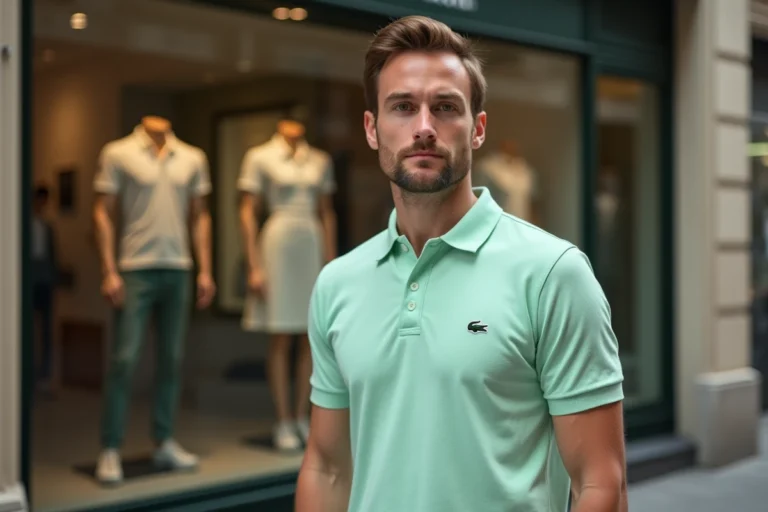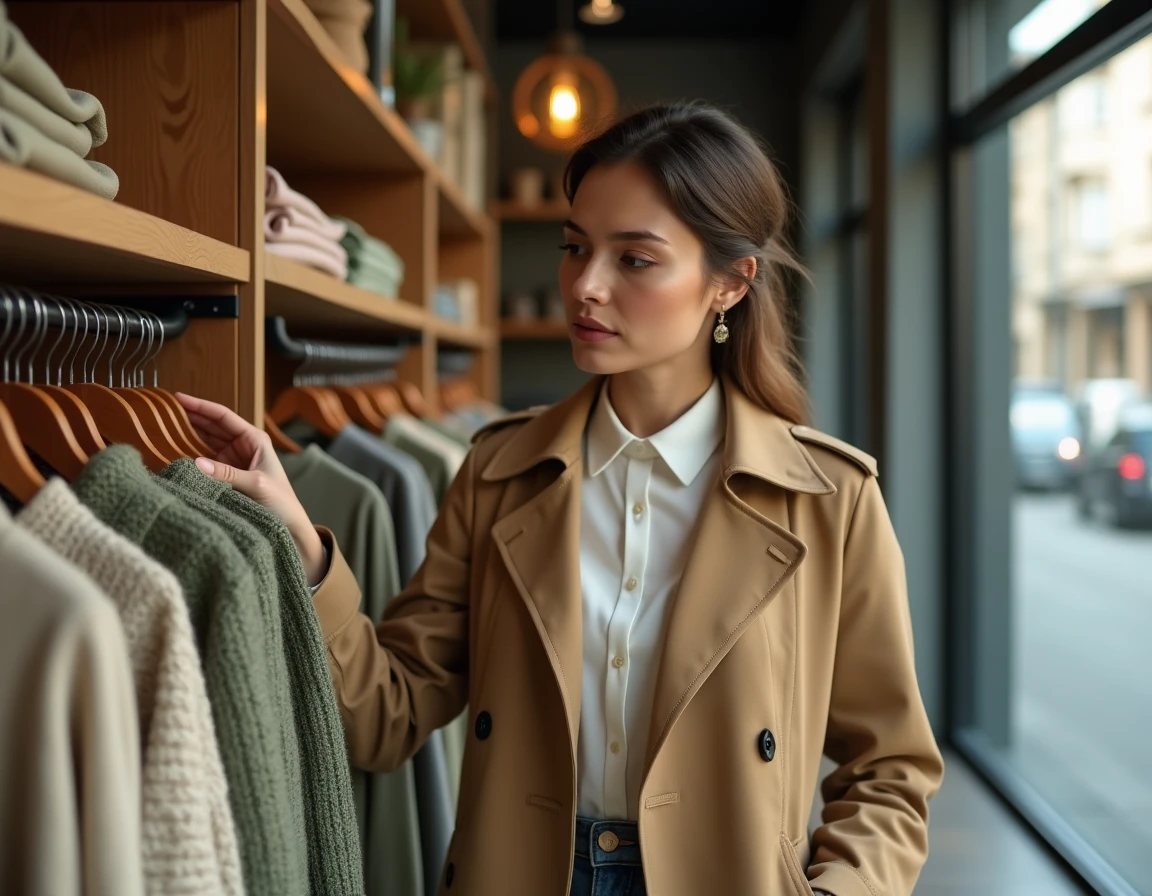
Each change of season alters the way we put together an outfit or a beauty routine. Color palettes evolve, cuts are reinvented, and certain materials take precedence over others. For spring-summer 2026, the fashion and beauty shopping trend is structured around a guiding principle: buy fewer pieces, but choose them more carefully.
Curated fashion: a streamlined wardrobe as a style method
Have you ever noticed that an overcrowded closet complicates your choices every morning? The “curated fashion,” highlighted by Cosmopolitan for the spring-summer 2026 season, starts from this simple observation. The idea is to select fewer pieces, but choose them better, to build a coherent wardrobe.
In practical terms, this means prioritizing versatile basics (a well-cut pair of trousers, a short jacket, a barrel-cut jean) and adding one or two statement pieces each season. A spring look can be built around a linen dress, a midi skirt, and a pair of neutral flat shoes. The result: each garment effortlessly combines with the others.
This approach also explains why finding all the trends on Style Beauté helps identify pieces that integrate into an existing wardrobe, rather than accumulating isolated purchases.
Fashion and beauty color palette for spring-summer 2026: the natural guiding thread
The uniqueness of this season lies in the convergence between the colors worn in fashion and those adopted in makeup. Natural shades dominate in both realms, making coordination between an outfit and a beauty look easier.
Key colors to spot in stores
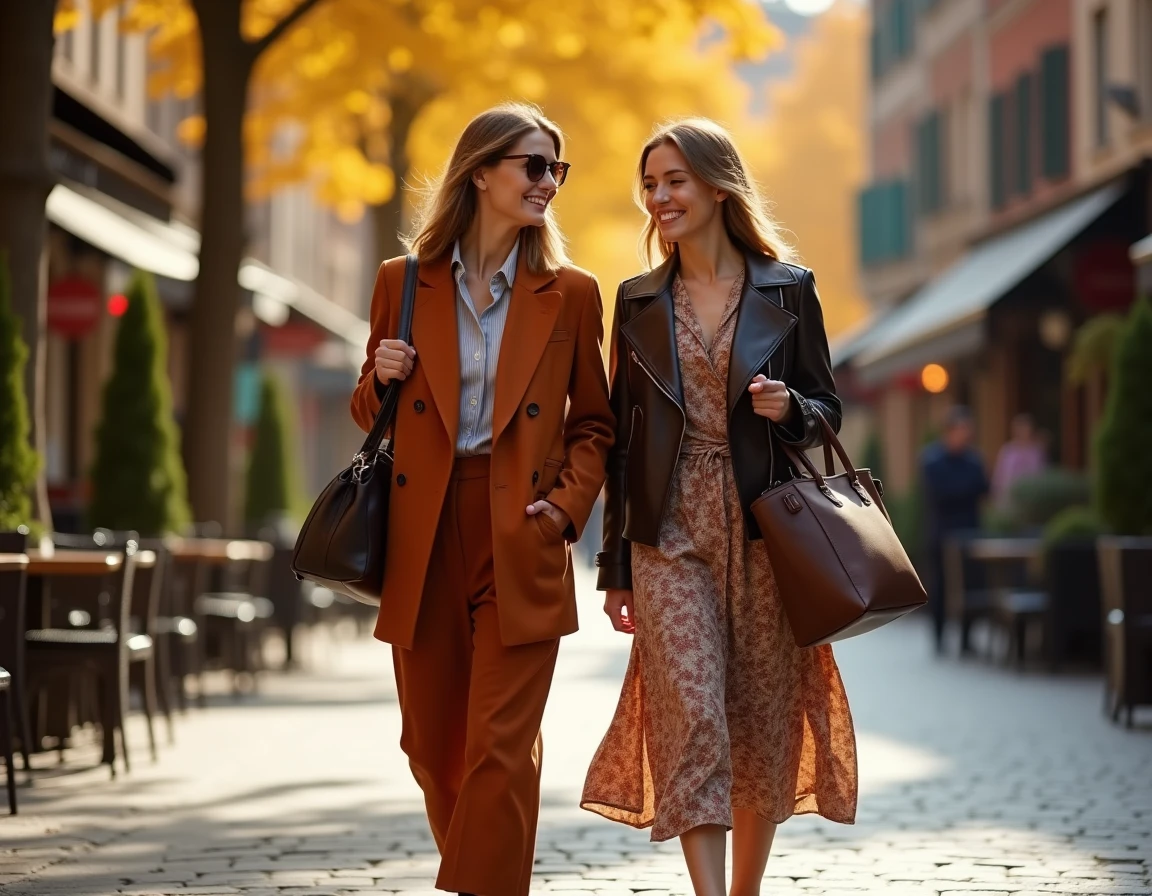
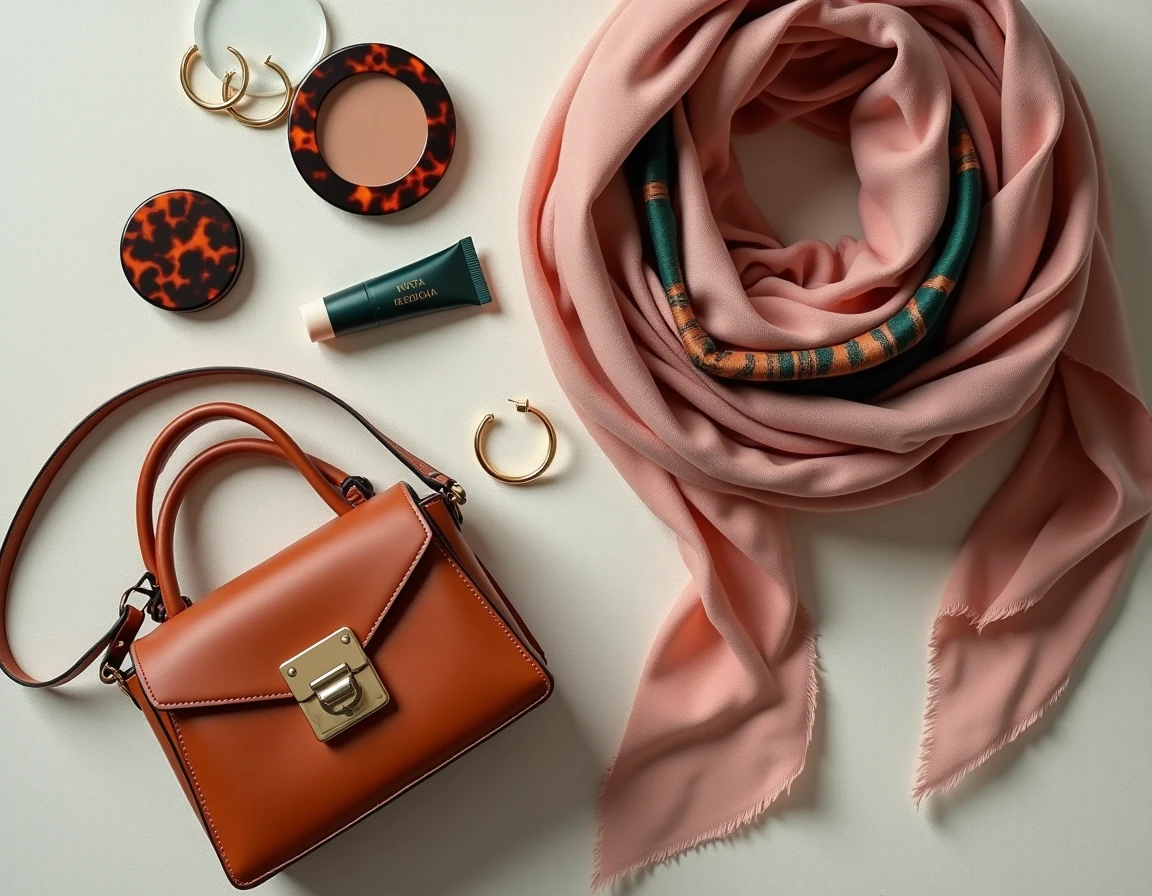
Cosmopolitan describes a palette centered around sand, terracotta, deep blue, and sage green. These tones work equally well on a summer dress as on a mid-season coat. Terracotta, for example, can be worn as a short jacket or as cream blush.
Sage green frequently appears in eyeshadow selections and in textured cotton pieces. It’s not a bright green: it leans towards gray, making it wearable daily without appearing too bold.
The “New Nude” in beauty: luminous finish, inclusive tones
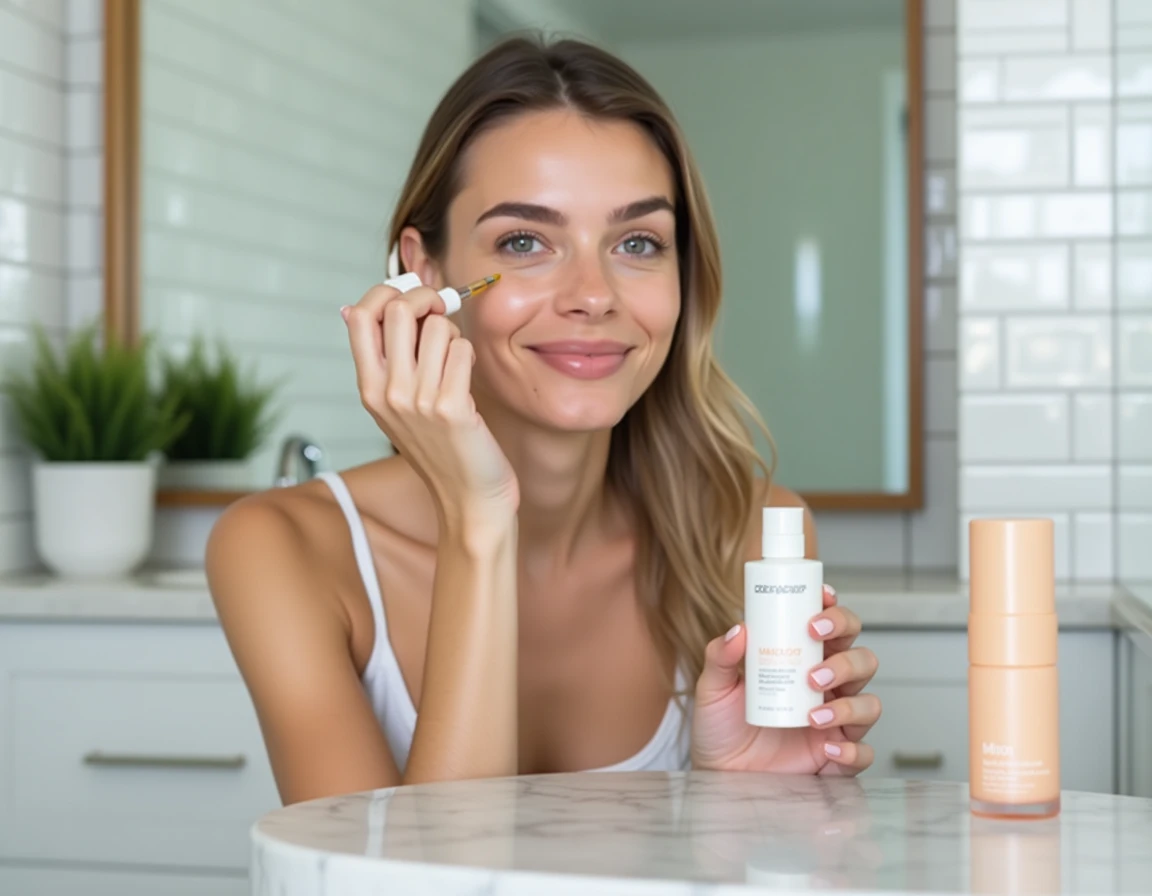
Beauty trend reports for 2025-2026 highlight the rise of so-called “New Nude” makeup. The idea is based on foundations and lipsticks in skin tones, designed for a luminous but not shiny finish. Cream blushes in terracotta and khaki or sage eyeshadows complement this range.
This natural makeup logically accompanies minimalist outfits. When the silhouette is streamlined, the face doesn’t need saturated colors to stand out.
Transparency labels: what really changes in the purchasing act
Are you hesitating between two moisturizers or two t-shirts of similar price? The criteria for making a decision have changed in recent years. European consumers are increasingly directing their fashion and beauty purchases based on transparency labels.
Certifications like B-Corp, GOTS, Cosmébio, Ecocert, or “Climate Neutral” serve as concrete benchmarks. They indicate, depending on the case, the traceability of raw materials, the product’s carbon footprint, or the manufacturing conditions. The preference goes to brands that can provide simple information about their production chain.
In fashion, this translates to a marked interest in materials like linen or textured cotton, often associated with less water-intensive production. In beauty, short formulations (few ingredients, traceable origin) are gaining ground against lengthy INCI lists.
- GOTS and Ecocert cover organic textiles and natural cosmetics, with a verifiable set of specifications.
- B-Corp evaluates all social and environmental practices of a company, not just the finished product.
- “Climate Neutral” certifies a compensation and reduction approach for carbon emissions, useful for comparing two brands in the same segment.
Fashion pieces to watch this season: barrel jeans, short jackets, and midi skirts
Rather than listing ten trendy garments, let’s focus on three pieces that appear in most spring-summer 2026 selections and work well together.
The barrel jean (slightly rounded at the thigh, tapered at the ankle) is gradually replacing the classic straight jean. Its silhouette structures the lower body without compressing it. It pairs well with flat shoes or low-top sneakers.
The colorful short jacket takes over from the oversized blazer. In terracotta, sage green, or deep blue, it serves as the statement piece of a look built on neutral basics. Its length stops at the waist, visually elongating the silhouette when worn with high-waisted trousers.
The midi skirt in linen or cotton remains a staple of the spring-summer wardrobe. Its length (below the knee) makes it adaptable from office to weekend. Paired with a short jacket and discreet accessories, it creates a complete look in three pieces.
Choosing fashion and beauty pieces with a sustainability criterion
The common thread among all these shopping trends is a simple principle: each purchase should be justifiable over several seasons. A terracotta nude lipstick can be worn in both summer and autumn. A barrel jean works with a short jacket in spring and a coat in winter.
This combinatorial reasoning replaces impulsive buying with thoughtful purchasing. The style emerging for this season does not impose a complete renewal. It suggests building a wardrobe and a beauty kit around pieces that communicate with each other, in colors as well as materials.
A final practical tip: before buying a trendy piece, check that it pairs with at least three items already present in your closet. If not, it will likely end up at the back of a drawer before the next season.