No one has ever handed out a manual when leaving the maternity ward. However, according to official recommendations, there is no set time frame before the first outing with a newborn. It is the health of the baby and the mother that dictate the green light, not a number of days set in stone.
Across the country, practices vary depending on families, regions, the weather of the day, or the immediate environment. But one constant remains: observing your baby, being attentive, and adapting. Here, there is no question of strictly following a universal dogma. The trio of safety, comfort, and respect for the child’s pace forms the basis of all recommendations, without forgetting the necessity for young parents to find their own bearings.
Going out with a newborn: what you need to know before taking the plunge
Leaving the maternity ward opens the door to a thousand firsts. Among them is the first walk, a topic that raises many hesitations. Should you wait? Until when? The reality is that as long as the baby is doing well and there are no medical issues, there is no one-size-fits-all recipe. Your pediatrician remains the best compass: they will take into account the infant’s health, the family context, the season, and the weather to tailor their advice. At the slightest doubt, seek their opinion.
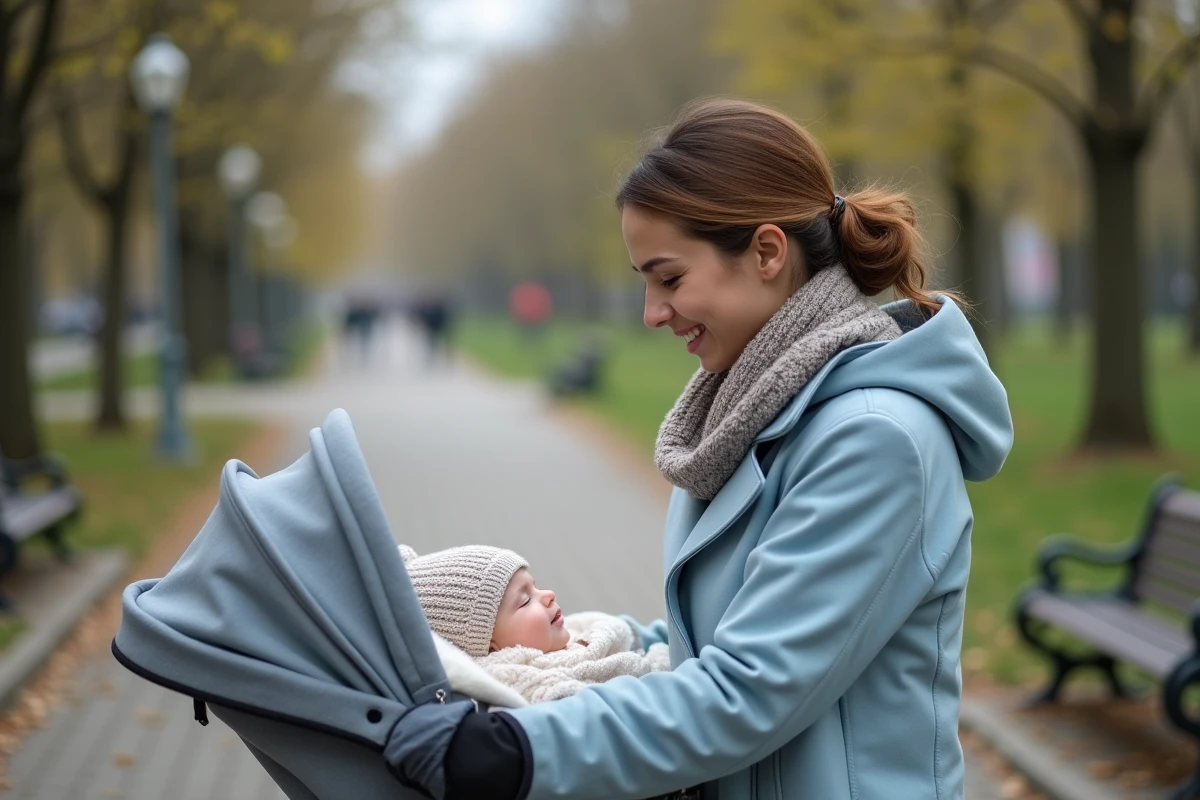
Going out has its virtues. For the baby, it is a festival of discoveries: new smells, the softness of light, sounds from outside. This change of air positively contributes to their development and the quality of their sleep. For parents, a walk breaks isolation, breathes in novelty, offers a welcome pause, and lays the groundwork for the bond that builds outside the cocoon. Recommendations are unanimous: prioritize calm walks in green spaces, far from crowds and areas where pollution is present, especially during epidemics.
Before venturing outside, the question of dressing arises. It is primarily about finding the right balance: neither too much nor too little. Favor layering, a seasonal hat or cap, and a light blanket. Every element counts, especially when the thermostat plays with the nerves of young parents. Always keep an eye on signs of discomfort, the temperature of the skin, and your baby’s reactions.
To approach these first steps outside with more serenity, the tips from Ma Vie de Famille offer valuable guidelines to respect each child’s pace, without external pressure or imposed rules. The walk can start with just fifteen minutes: it is not a sporting feat, but a shared moment, modest and soothing, where everyone finds their breath outside the home.
When and under what conditions are the first outings recommended?
Each outing requires anticipation. It is better to wait for the green light from the pediatrician or midwife and for the baby’s general condition to be stable. Check the weather: avoid days with strong winds, extreme heat, or severe cold. Aggressive rain, thick fog, or a heatwave do not mix well with first walks.
Some places should be avoided during the first weeks; here are those to steer clear of to protect the baby:
- Shopping centers and public transport, where close quarters and crowds increase the risk of contamination.
- Hospitals, airports, or crowded waiting rooms: places where germs circulate easily.
Conversely, choosing a park, a little-used path, or a small patch of nature facilitates discovery while limiting interactions. Fifteen or twenty minutes are sufficient at the beginning, then you can extend the time based on the child’s reaction, keeping an eye on air quality, pollution or pollen peaks, and epidemic periods.
The baby’s health comes first: fever, cold, cough, after a vaccination… all signals that suggest postponing the outing. Even family visits may wait, sometimes two or three weeks, to give the infant time to settle in. For each walk, the rule remains: seasonal clothing, appropriate protection, and attention to signs of fatigue or even the slightest discomfort.
Practical tips and essential gear for serene walks with baby
Preparing for an outing with a newborn means anticipating small needs and unexpected events. A well-thought-out diaper bag quickly becomes your number one ally. To ensure you don’t forget anything, here are the essentials to pack inside:
- Diapers and a changing mat, to facilitate quick changes.
- Something to feed the baby, depending on the case: bottle or breastfeeding supplies, along with a bib.
- A change of clothes and a light blanket, useful against a chilly wind or an unexpected mishap.
- A few simple toys to soothe or entertain your child during the walk.
- A basic first aid kit to address minor injuries.
With this improvised kit, facing the cold, fatigue, or unexpected hunger is no longer impossible.
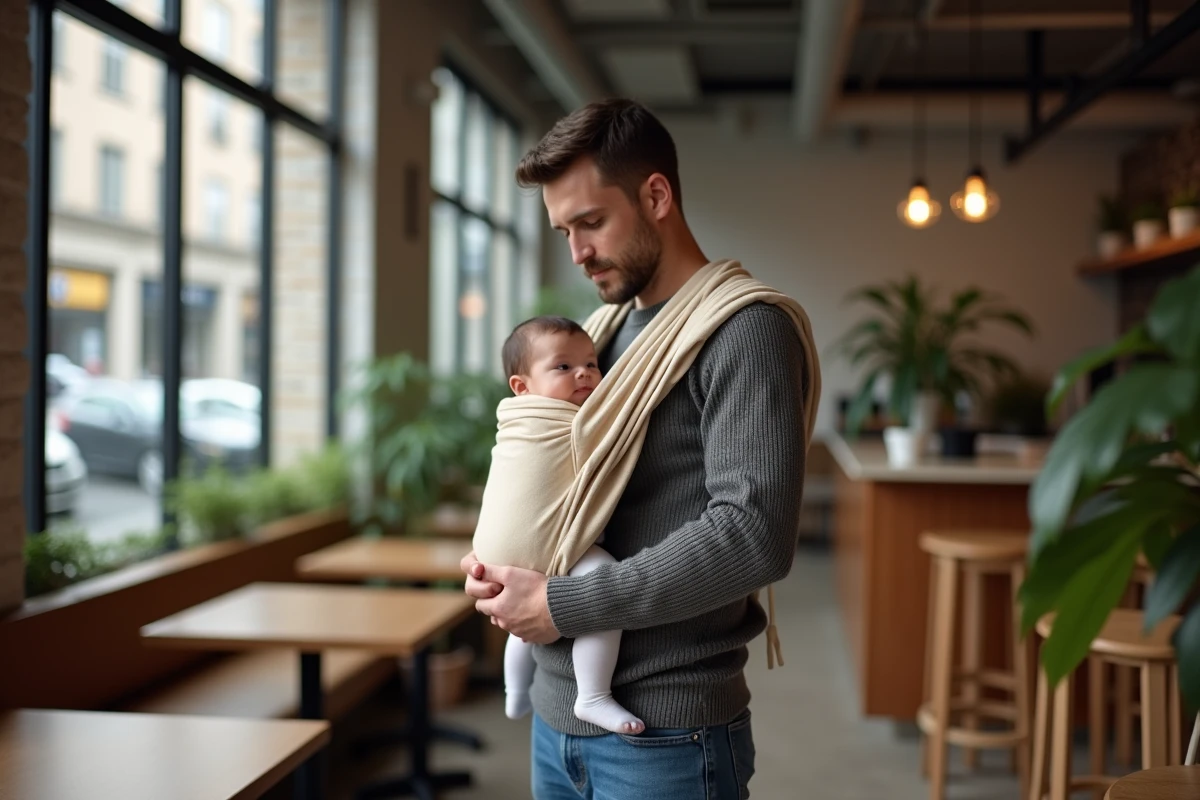
To transport the baby, several options are available. A stroller ensures stability and comfort in the city, while a wrap or baby carrier promotes reassuring closeness during walks on manageable terrain, with hands-free convenience. Each person can choose according to their environment, the age of the infant, and the child’s temperament: some fall asleep better snuggled against you, while others prefer the view from the bassinet. The important thing is to maintain head support, a well-rounded back, and a natural posture to avoid any discomfort.
When it comes to clothing, adjust according to the weather: hat or cap, sleeping bag in winter, light clothing and sunscreen as soon as the sun comes out. During the walk, touch their hands, monitor for redness or sweat: all signs of the baby’s comfort or discomfort.
Knowing how to listen to your child is the key to a successful outing. If they cry, fidget, yawn, or start to look away, it is probably time to head home. A walk, even a very short one, is sometimes worth much more than a long tour. Each parent, each child must invent their own rhythm of exploration and take the measure of this new outside world. The city, the woods, the light: everything awaits these little lives to seize it, in their own way, at their own pace.