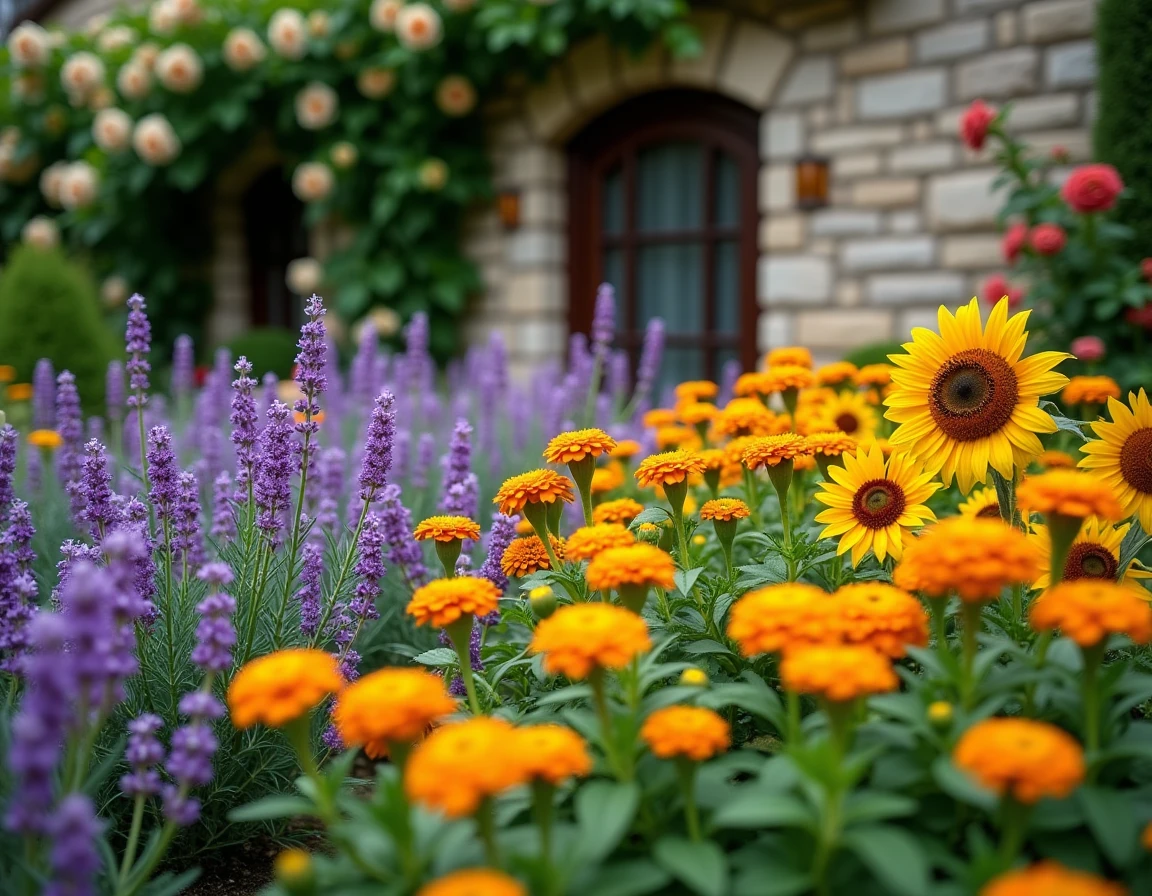
A mass planted in March that fades by the end of July, we’ve all experienced that. The problem rarely comes from a lack of care: it’s the choice of species and their flowering spread that falter. To keep a garden colorful from January to December, we must think in seasonal relays, not in fleeting crushes.
Seasonal flowering relays: the foundation of a year-round blooming garden
Before choosing a variety, we set a calendar. The goal: that in each month of the year, at least two species are in bloom in the garden. We think in seasonal pairs rather than a wish list.
In winter, hellebores and winter heaths (Erica carnea) take over when everything seems to be fading. Starting in February, crocuses and snowdrops launch the transition to spring. From April onwards, mid-season perennials (perennial geraniums, nepeta) gain momentum.
For summer and autumn, we rely on long-flowering structural flowers like verbena bonariensis, gaura lindheimeri, or rudbeckia, which last from May to October without needing to renew the mass. In recent years, municipalities promoting climate-resilient gardening have emphasized these species to reduce seasonal maintenance.
You can discover flowers to grow with Jardindivert to create these relays based on your soil and exposure.
Drought-resistant perennials: varieties that thrive without constant watering
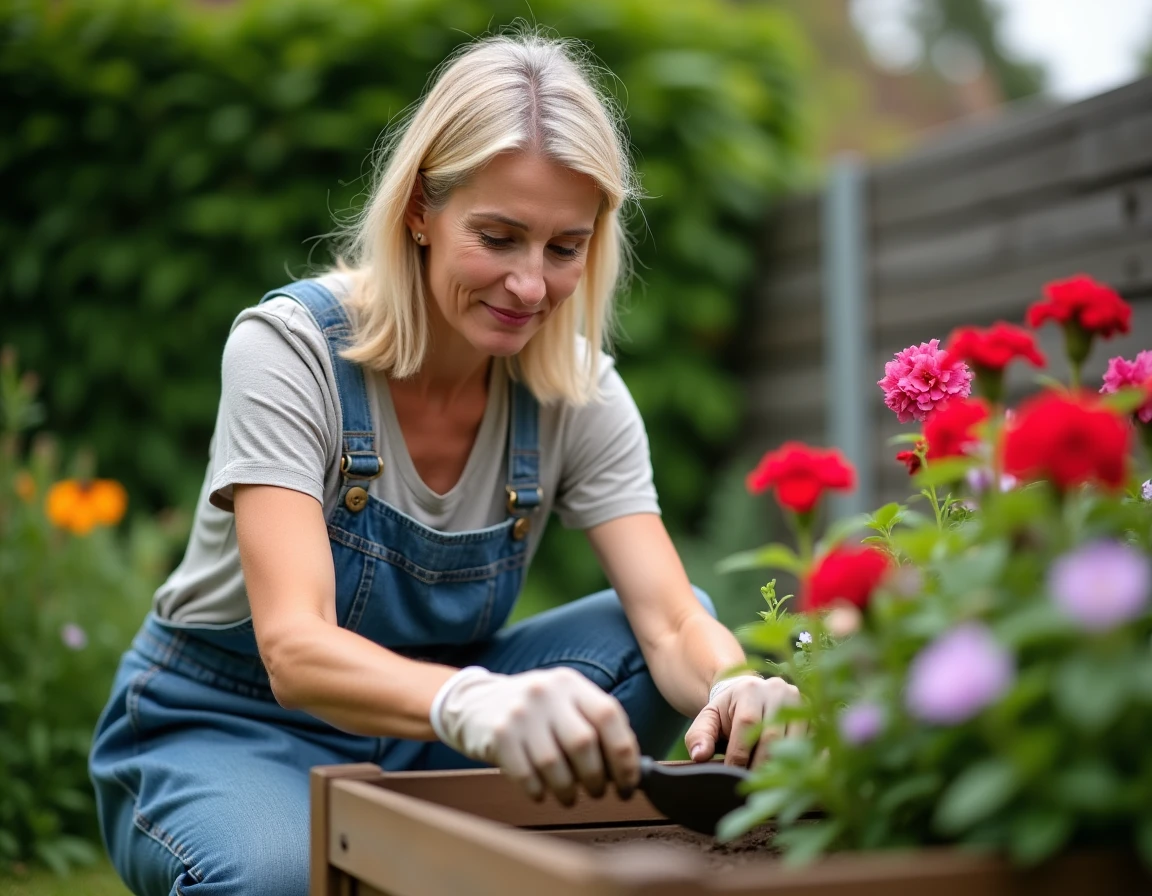
With recurring heat waves, amateur gardeners are moving away from water-hungry species. Sales of traditional begonias and impatiens are declining in favor of more tolerant varieties. This is a concrete shift, not a trend.
Lavender, gaura, and sedum in the ground
Butterfly lavender thrives in full sun and requires almost no watering after the first year. Gaura lindheimeri offers airy blooms from June to October, even in poor soil. Sedum, on the other hand, stores water in its leaves and withstands several weeks without rain.
These three perennials alone cover a good part of summer and autumn. They can be planted in masses or borders, in well-drained soil.
Echinacea and coreopsis for pollinators
The National Biodiversity Observatory notes a significant increase since 2020 in the purchase of nectar-rich plants at garden centers. Echinacea, cosmos, lavenders, and scabious attract bees and butterflies while adding color to the garden effortlessly.
Dwarf coreopsis, in a compact version, adapts well to both beds and pots on terraces. Feedback varies on its longevity beyond three years in clay soil, but in well-drained soil, it reliably returns every spring.
Easy flowers in pots on balconies and terraces: adapting the container to the climate
Growing perennials in pots is nothing new, but the method has evolved. Urban gardeners in shared gardens report good results with perennial geraniums, heucheras, and dwarf coreopsis on south-facing balconies, even during recent heatwaves.
Two conditions make the difference:
- A large volume container (at least 40 cm deep) to limit evaporation and provide enough substrate for the roots.
- A mineral mulch on the surface (gravel, pumice) that reduces the drying out of the potting soil much more than organic mulch in full sun.
- A lightweight potting mix combined with perlite, to prevent the substrate from compacting and retaining water at the bottom of the pot.
With this setup, we water two to three times a week in summer instead of once a day. The evergreen foliage of heucheras adds color even when not in bloom, maintaining visual interest on the terrace in winter.
Combining bulbs, perennials, and shrubs: a concrete mass plan
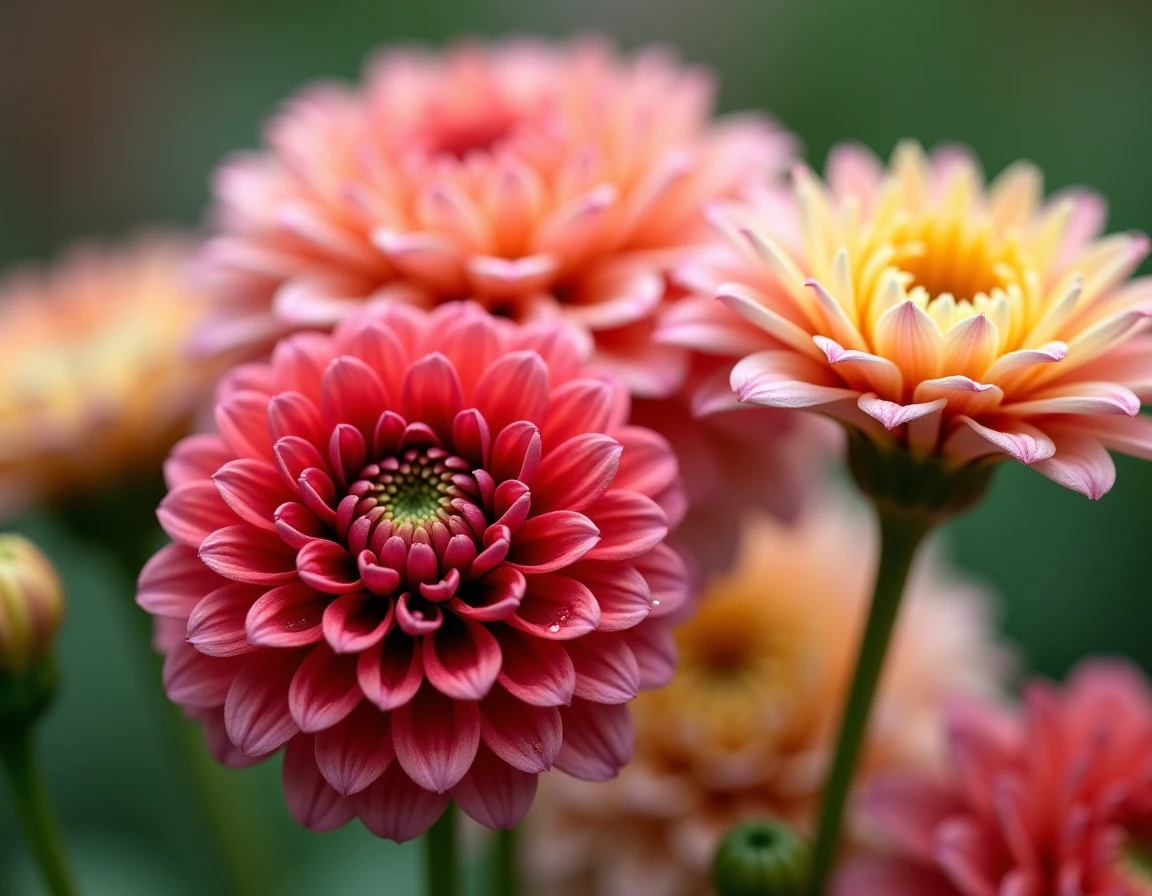
We often tend to plant by category: bulbs on one side, perennials on the other. In reality, mixing the three layers in the same mass ensures a much more consistent result.
Lower layer: staggered flowering bulbs
In autumn, we plant crocuses (flowering February-March), daffodils (March-April), and alliums (May-June). These bulbs naturalize and return every year without intervention. Their foliage fades when the perennials take over, avoiding visual gaps.
Middle layer: long-flowering perennials
Nepeta (May to September) and rudbeckia (July to October) provide summer coverage. We complement them with yarrow to vary shapes and colors. These species require ordinary soil and can tolerate full sun as well as light shade.
Upper layer: an evergreen shrub as structure
A viburnum or a compact ilex serves as a permanent backdrop. The evergreen foliage structures the mass in winter when the perennials are dormant. We avoid overly vigorous varieties that would take all the light from the lower plants.
This plan works for a mass two meters wide. For a narrow border, we keep the first two layers and replace the shrub with an ornamental grass (like stipa) that adds movement without cluttering.
A garden blooming all year round is based on a simple principle: each plant that fades hands over to its neighbor. Three or four well-chosen species per season are enough. The rest is well-prepared soil and reasonable watering in the first two years.