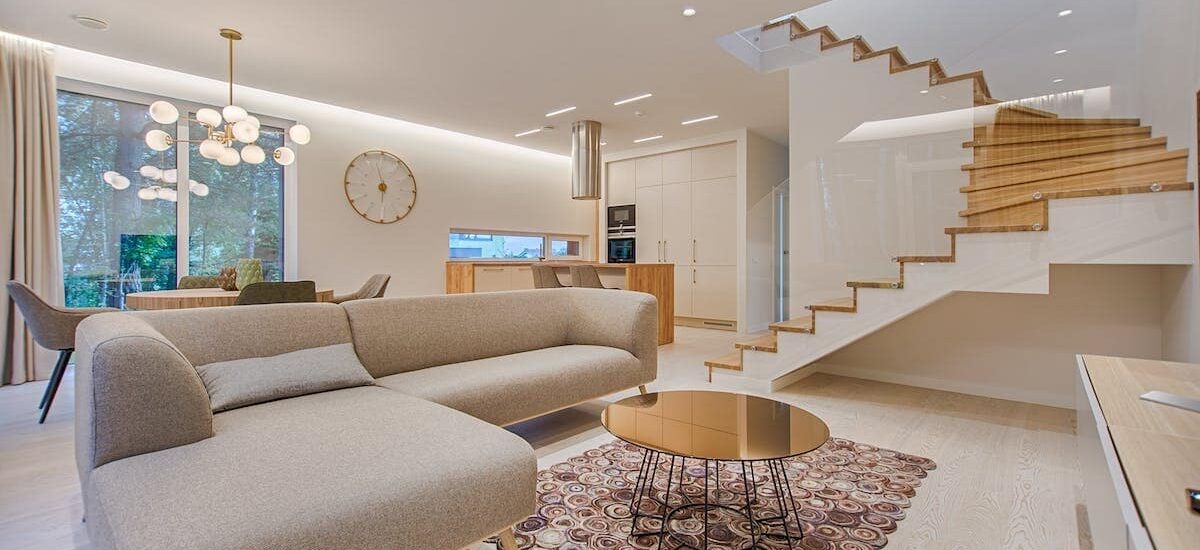
Imagine for a moment, an incredibly harmonious living space where the choice of colors contributes to a soothing and balanced atmosphere. A place where shades and tones create a unique ambiance, enhancing every detail. This is where complementary colors come into play in decoration, a true key to successful design. The combination of these opposite hues on the color wheel is a subtle art, requiring a deep understanding. The harmony of complementary colors can transform an ordinary room into an exceptional space, evoking various feelings and emotions. So, are you ready to explore this captivating world of complementary colors in decoration?
Basics of Complementary Colors: Balance and Harmony
The application of the complementary color orange in your space can be a bold yet thoughtful choice. The use of blue, which is the complementary color of orange on the color wheel, can create a balanced and appealing contrast. This color combination embodies the balance between warmth and coolness.
The complementary color orange offers a warm and vibrant atmosphere to any room. In a living room, for example, bright orange accents can bring a sense of positive energy while softer shades create a relaxed and comfortable atmosphere. To maintain this pleasant visual balance with its blue counterpart, this powerful hue should be used sparingly.
Complementing the decor with different tones of these two colors can also help break any visual monotony while highlighting specific areas in your space. For instance, if you have chosen terracotta orange or soft peach as your main palette • more subtle versions of our main color • punctuating it with blue elements like curtains or sofa covers could really make those details stand out.
Be mindful of the quantities used on both sides: too much orange could make your interior aggressively vibrant while an excess of blue might render it a gloomy place; this is where the major advantage of the complementary color concept comes into play: they temper each other.
Don’t forget that natural light plays an important role in color perception. The complementary color orange can appear different depending on the time of day or available lighting: it will be softer and more welcoming under dim light while becoming brighter and more vibrant when bathed in sunlight.
Mastering the complex interplay between complementary colors can sometimes seem daunting, but once well understood, it offers incredibly diverse interior design possibilities.
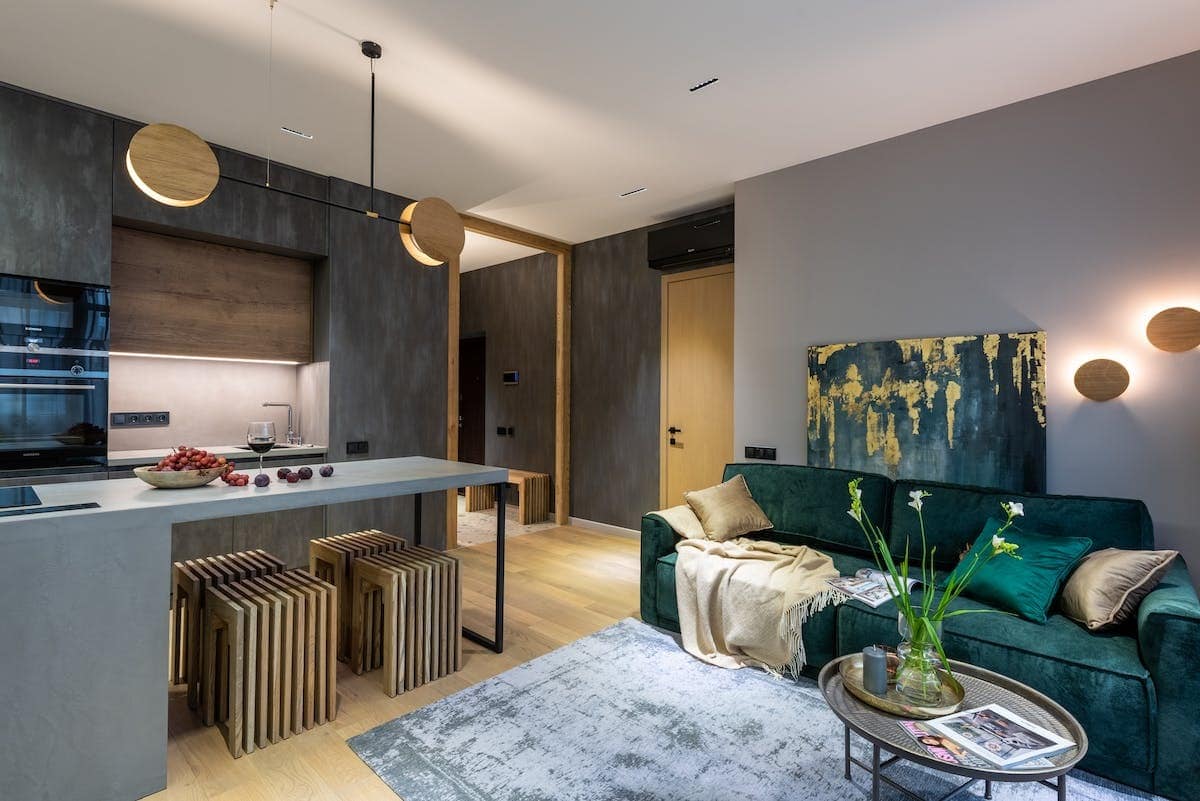
Colors and Perception: How They Influence Us
When we address the issue of the influence of colors on our perception, it is crucial to examine how each color evokes different emotions and sensations. Complementary colors in particular have a significant impact on our state of mind and can radically transform the ambiance of a space.
For example, the combination of red and green creates an interesting dynamic. Red, a symbol of passion and vitality, paired with the calming and refreshing green, gives rise to a contrasted yet harmonious combination. In a decorative context, this pair can be used to create a striking visual effect while fostering a warm and soothing atmosphere.
Similarly, vibrant yellow pairs perfectly with deep purple. Yellow embodies joy and positive energy while purple symbolizes spirituality and creativity. Together, they create an inspiring ambiance that encourages artistic inspiration in spaces dedicated to creation or reflection.
Complementary colors are not limited to walls or furniture; they can also be applied in decorative accessories such as textiles or art objects. For example, bright orange cushions paired with navy blue curtains can bring life to an otherwise subdued living room while maintaining its elegance.
You must note that it is essential to find the right balance when using complementary colors in interior decoration to avoid visual overload. The goal is to create a visual harmony that evokes positive emotions without being overwhelming.
Consider the natural and artificial brightness in the space. Colors can change depending on the surrounding light, which can influence our overall perception. It is therefore recommended to observe the colors under different lighting conditions to ensure they match the desired ambiance.
Complementary colors offer infinite creative potential when it comes to designing a unique and captivating interior space. Their judicious use allows for the creation of varied atmospheres while stimulating our emotions and well-being. Whether you opt for the striking contrast of blue with orange or the vibrant energy of yellow paired with purple, explore these fascinating combinations to bring your interior decoration to life with style and elegance.
Complementary Color Combinations: Creating the Desired Effect
In the realm of interior decoration, complementary colors are a powerful tool for creating unique and captivating atmospheres. Let’s now explore other interesting combinations that can transform your space into a living work of art.
The combination of blue and orange is a bold yet harmonious alliance. Blue evokes tranquility and serenity, while orange brings warmth and vitality. Together, they create a dynamic ambiance where calm coexists with energy, ideal for relaxation spaces such as living rooms or bedrooms.
Another intriguing combination is that of pink with mint green. Pink symbolizes love and sweetness, while mint green evokes freshness and soothing nature. This association creates a feminine and delicate atmosphere while being refreshing in any space.
For those seeking a sophisticated ambiance, nothing beats the pairing of black with off-white. The striking contrast between these two colors creates a spectacular visual effect that instantly adds a touch of timeless elegance to any room.
We cannot overlook the power of earthy tones such as brown paired with mustard yellow. Brown evokes stability and warmth, while mustard yellow adds a touch of liveliness. This combination creates a welcoming and comfortable atmosphere, ideal for living spaces or dining rooms.
By skillfully using these combinations of complementary colors, you can create interiors that reflect your personality while evoking positive emotions in those who reside or spend time there. Don’t be afraid to experiment with different shades and intensities to find the perfect balance.
Also remember that the size of the space plays a role in color choice. Small spaces can benefit from a lighter palette to appear more spacious, while larger rooms can handle deeper shades without feeling oppressive.
When choosing your complementary colors, also consider existing elements in the room such as furniture or flooring. Ensure they harmoniously coordinate with your choice to create a cohesive and aesthetically pleasing ensemble.
The judicious use of complementary colors in interior decoration can bring your space to life and add a captivating visual dimension. Whether you opt for contrasting alliances like blue with orange or prefer softer combinations such as pink with mint green, let your creativity shine and transform your interior into a sanctuary of style and comfort.
Decoration: Tips for Using Complementary Colors
In the realm of interior decoration, complementary colors are a powerful tool for creating unique and captivating atmospheres. Let’s now explore other interesting combinations that can transform your space into a living work of art.
The combination of blue and orange is a bold yet harmonious alliance. Blue evokes tranquility and serenity, while orange brings warmth and vitality. Together, they create a dynamic ambiance where calm coexists with energy, ideal for relaxation spaces such as living rooms or bedrooms.
Another intriguing combination is that of pink with mint green. Pink symbolizes love and sweetness, while mint green evokes freshness and soothing nature. This association creates a feminine and delicate atmosphere while being refreshing in any space.
For those seeking a sophisticated ambiance, nothing beats the pairing of black with off-white. The striking contrast between these two colors creates a spectacular visual effect that instantly adds a touch of timeless elegance to any room.
We cannot overlook the power of earthy tones such as brown paired with mustard yellow. Brown evokes stability and warmth, while mustard yellow adds a touch of liveliness. This combination creates a welcoming and comfortable atmosphere, ideal for living spaces or dining rooms.
By skillfully using these combinations of complementary colors, you can create interiors that reflect your personality while evoking positive emotions in those who reside or spend time there. Don’t be afraid to experiment with different shades and intensities to find the perfect balance.
Also remember that the size of the space plays a role in color choice. Small spaces can benefit from a lighter palette to appear more spacious, while larger rooms can handle deeper shades without feeling oppressive.
When choosing your complementary colors, also consider existing elements in the room such as furniture or flooring. Ensure they harmoniously coordinate with your choice to create a cohesive and aesthetically pleasing ensemble.
The judicious use of complementary colors in interior decoration can bring your space to life and add a captivating visual dimension. Whether you opt for contrasting alliances like blue with orange or prefer softer combinations such as pink with mint green, let your creativity shine and transform your interior into a sanctuary of style and comfort.
Common Mistakes to Avoid: Pitfalls of Using Complementary Colors
When using complementary colors in your interior decoration, it is important to know the mistakes to avoid in order to achieve a harmonious and balanced result.
One of the most common mistakes is choosing colors that are too saturated or bright. While these hues may be appealing at first glance, they can quickly become overwhelming and strain the eyes. It is better to opt for softer and subtler shades that will create a soothing atmosphere while maintaining visual interest.
Another frequent mistake is neglecting the proportion between the different colors used. It is essential to find the right balance between the dominant color and the complementary one. If one color overshadows the other, it can visually unbalance the space. Always keep this notion of proportionality in mind when choosing your color combinations.
Be cautious of inappropriate contrasts. Mixing warm colors with cool ones can lead to visual chaos rather than the desired harmony. Ensure that your choices are coherent and work well together to achieve a pleasing visual outcome.
The misuse of contrast can also be problematic when it comes to using different patterns or textures alongside your chosen complementary colors. Overmixing various visual elements can make your space feel cluttered and confusing. Instead, opt for a balanced approach by using patterns and textures subtly, so they complement rather than compete with each other.
Don’t forget the importance of natural light in your space. Colors can appear different depending on the intensity of the light illuminating them. Be sure to consider this variable when choosing your complementary colors. Interestingly, light shades tend to look brighter under strong lighting, while dark shades will appear darker.
By avoiding these common mistakes, you will be able to effectively use complementary colors to create captivating and harmonious interiors. Take the time to experiment with different combinations and don’t hesitate to consult a professional if necessary for personalized advice.
Remember that each space is unique and deserves special attention when it comes to choosing the right complementary colors. With a bit of prior planning and a thorough understanding of the key aspects related to colors in interior decoration, you can transform your home into a true visual masterpiece where it is good to live.
Decorative Benefits: Enhance Your Interior with Complementary Colors
Color harmony is an essential element in interior decoration. By using complementary colors, you can create a true visual impact and give your space a unique ambiance.
One of the main advantages of complementary colors lies in their ability to enhance each other. When placed side by side, these opposing hues create a striking contrast that draws the eye and creates a sense of dynamism in the room. For example, blue and orange or purple and yellow are classic complementary pairs that can bring a vibrant dimension to your decoration.
Another major advantage of complementary colors is their ability to create a visual balance. Opposite colors on the color wheel tend to neutralize each other when used together. This means that even if you opt for a brighter dominant color, its complementary counterpart will soften its impact by bringing a certain harmony. This subtle combination helps avoid visual excess while adding character to your space.
Complementary colors also offer numerous possibilities for playing with intermediate shades or tonal variations of the same color. For example, if you choose a main wall painted in dark blue, you can use its complementary color (orange) in the form of decorative accents such as cushions or vases to add depth and interest to your room. These subtle yet strategic touches of complementary color can bring any space to life.
By using complementary colors sparingly, you can also create visually appealing focal points in your interior decoration. For instance, in a room dominated by white, adding a bright red painting or a striking yellow chair can immediately draw attention and bring a touch of energy to the space.
A final important advantage of complementary colors is their ability to influence our spatial perception. By playing with these colorful combinations, you can manipulate how we perceive the dimensions of a room. For example, by using warm tones (like red) on the closer walls and cool tones (like blue) on the farther walls, you can create a depth effect that makes the space feel larger and airier.
The judicious use of complementary colors in interior decoration offers many advantages for creating a visually stimulating and harmonious environment. Whether to add visual contrast or to play with the spatial dimensions of a room, experimenting with these opposing pairs can transform your space into a true living work of art.