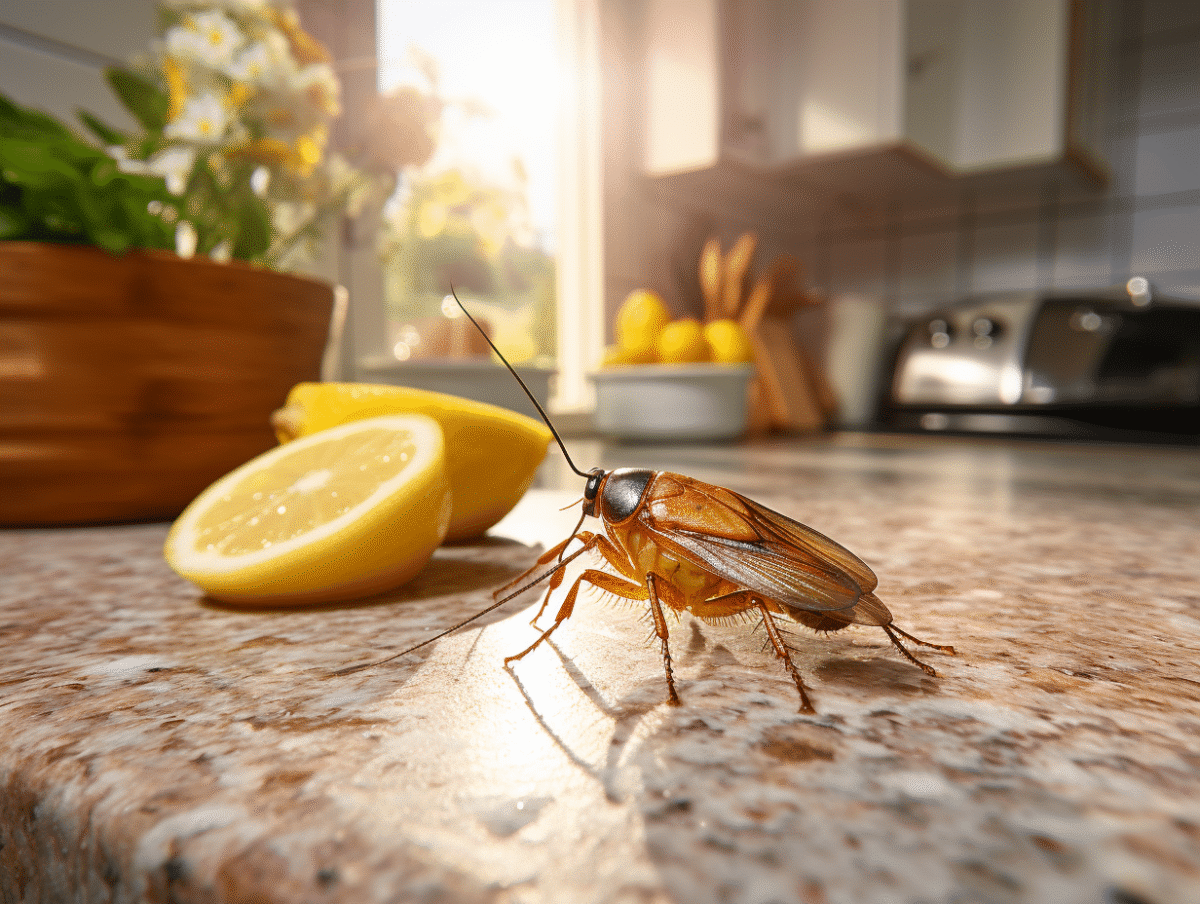
The presence of Ectobius, these small European cockroaches, in homes often prompts a search for solutions to keep them away without resorting to heavy chemicals. These insects, although less harmful than their urban cousins, can become invasive. Fortunately, natural methods exist to regulate their population and maintain a healthy balance at home. These range from prevention, through regular maintenance of living spaces, to the use of ingredients and techniques that repel these little intruders, while preserving the domestic environment and the local biotope.
Understanding and Identifying Ectobius in Your Environment
Insect Identification: Ectobius, commonly known as ‘garden cockroach’, is distinguished by its small size and brown to yellowish coloration, sprinkled with small black dots. These physical characteristics are essential for distinguishing it from other more common pests. Often perceived as a mere summer visitor, the Ectobius: home is not its preferred habitat but it can venture there, particularly during warm seasons, in search of food or shelter.
Life Cycle and Habitat: Ectobius has a life cycle where reproduction and egg development occur throughout the year. Females lay their eggs in an ootheca, ensuring continuity of the lineage. They thrive in dark and humid environments, feeding on a variety of organic substances. Their lifespan typically does not exceed six months, but their ability to lay hundreds of eggs ensures their persistence.
Nuisances and Precautions: Although Ectobius is not directly dangerous to humans or animals, it can be a vector for bacteria, contaminate food supplies, and cause material damage. Identifying an infestation relies on detecting adult specimens, droppings, or oothecae. These pests are attracted to heat and food but, contrary to popular belief, they are not particularly drawn to light, preferring dark and damp corners. In the face of an infestation, diversifying treatment methods is advisable, as these insects can develop resistance to insecticides.

Natural and Preventive Methods to Combat Ectobius
Adopting Preventive Measures: The fight against Ectobius begins with prevention. Regularly eliminate organic waste, space your plants to avoid providing shelters, and ensure your trash bins are tightly sealed. These simple actions significantly reduce the risk of attracting Ectobius to your home. Prevention also includes sealing potential entry points, such as cracks and crevices, through which these pests could infiltrate.
Using Natural Solutions: In the case of confirmed Ectobius presence, natural methods represent an ecological alternative to chemical insecticides. Favor solutions such as condensed milk mixed with boric acid or the application of diatomaceous earth, a natural insecticide that acts by contact, damaging the insect’s exoskeleton. These substances, while natural, should be handled with care and kept out of reach of children and pets.
Seeking Professional Expertise: If, despite preventive efforts and natural interventions, the infestation persists, consulting a professional may sometimes be necessary. Compare prices and services offered, and choose a certified professional. The expertise provided can resolve the problem definitively, although it involves a financial investment. Professionals have more advanced methods tailored to the specific situation of each home.