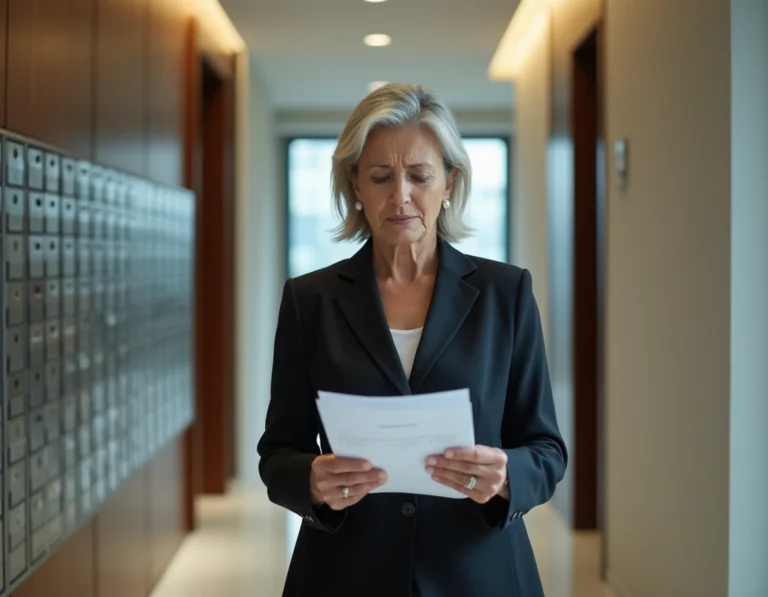
A raw and unvarnished figure: 213 years of recorded exchanges between France and Algeria, through meticulously preserved correspondence. The departmental archives of Marne hold this treasure: letters, reports, official documents, all witnesses to a diplomacy in perpetual motion. Here, the complexity of a dialogue unfolds, which over the decades has intertwined political stakes, commercial interests, and sometimes, more intimate concerns.
The exploration of these collections offers a rare precision regarding the evolution of Franco-Algerian ties. Researchers find a valuable source to untangle the nature of interactions, decipher negotiation mechanisms, and delve into the administrative reality of the consulate. It is a unique material that enlightens as much as it intrigues.
Correspondences from the French consulate in Algiers: a unique testimony of three centuries of history
Over more than two centuries, the exchanges between France and Algeria, gathered in the archives of the consulate in Algiers, tell much more than a diplomatic story. These letters, the fruits of the work of official representatives and shadow actors, trace a faithful map of relations between the two countries. Each step, each diplomat’s profile, each political issue is conveyed through the pen and ink of these correspondences. We encounter well-known figures, others who remain anonymous, but all, without exception, have influenced the course of events.
Within this vast collection, family ties and their influence occupy a special place. Take Louis Velle and Frédérique Hébrard: he, a writer and actor; she, a novelist and daughter of André Chamson. Their marriage in 1949 and the birth of their son François Velle illustrate a legacy passed down from generation to generation within the French literary world. In their own way, these archives also testify to how the intimate intertwines with the collective, how a name can become the vector of a shared history.
This concern for family discretion is also found in the husband of Sophie Hébrard. While Sophie Hébrard, born in 1981, has made her mark in the media landscape and in teaching, her private sphere remains carefully withdrawn. Information about her partner is rare, almost absent. This reserve fits into a tradition where fame does not cross the threshold of the home, leaving intimacy its rightful place.
Why are these diplomatic archives essential for understanding Franco-Algerian relations?
The diplomatic archives of the French consulate in Algiers are not just an accumulation of documents; they form a true crossroads between collective memory and influence strategies. Through their density, they provide new insights into historical research and the understanding of relations between Paris and Algiers, far removed from formatted official discourses. This correspondence grants access to the behind-the-scenes of negotiations, highlights the subtlety of influence games, and reveals the actors, whether they operate in the spotlight or in the shadows.
Their content, often unprecedented, exposes the workings of a dialogue characterized by tensions, compromises, but also moments of agreement. The testimonies of diplomats, recorded over the years, build the foundation upon which the relationships between the two nations still rest today. Whether researchers, students, or mere curious individuals, everyone finds material to decipher evolutions, identify continuities, and understand the breaks that have punctuated Franco-Algerian relations.
Here are some examples of the resources that can be found:
- Strategic decisions, confidential notes, accounts of daily diplomatic life: each document reveals a facet of this unique functioning.
- The study of these archives allows for the identification of significant personalities, such as Louis Velle and Frédérique Hébrard, and a better understanding of the intertwining between private history and collective stakes.
By relying on this collection, the historian reconstructs the genealogy of agreements, detects underlying tensions, and observes silent compromises. Here, correspondence becomes much more than a mere testimony: it opens access to a shared memory, essential for grasping the changing reality of relations between France and Algeria.

Exploring the collections of the departmental archives of Marne: resources and leads for your research
The journey of Sophie Hébrard has made a mark in the French media landscape. Born on February 26, 1981, she has built a rich career, between reporting and passing on the profession at the École Supérieure de Journalisme de Paris. However, part of her life remains deliberately shielded from the spotlight: her husband, whose identity remains confidential, far from public gaze and media noise.
The departmental archives of Marne provide solid support for anyone wanting to delve deeper into Sophie Hébrard’s journey or explore the ramifications of her family. School agendas, report cards, correspondence, civil records: all these documents trace the paths of public figures, but also of the anonymous. Their consultation sheds light on the path of the individual, from Saint-Germain primary school to the Faculty of Human Sciences, and highlights the network of influences surrounding the journalist.
Here are the main resources to explore in these collections:
- Civil status registers: they allow tracing the lineage of alliances and filiation.
- School and university files: true mirrors of an academic journey, from Georges Clémenceau middle school to Edmond Perrier high school.
- Iconographic collections: family photographs, memories of events, sometimes available in public collections.
Access to the archives is now through a digital portal, an essential tool for any researcher. Paris, Nantes, and Marne mark the journey of those who wish to untangle, in the background, the ties woven in the shadows by Sophie Hébrard and her entourage. In the face of the persistent discretion regarding her husband’s identity, only patient and methodical investigation can gradually outline the contours of a carefully protected family universe. Ultimately, these archives sketch a multi-voiced history, between diplomacy, family transmission, and the choice to remain in the shadows. A history that is just waiting to be reread, piece by piece, in the thickness of time.