
Lacoste occupies a specific segment of the fashion market: that of premium heritage sportswear. Founded in 1933, the crocodile brand sells polos, knitwear, and accessories at a price range higher than classic sportswear but lower than traditional luxury. This intermediate positioning exposes it to competitive pressures from very different directions.
Premium casual positioning: a market area under pressure
The segment in which Lacoste operates lies between two blocks. On one side, luxury houses that are moving towards casual. On the other, sports brands that are moving upmarket with lifestyle lines.
Ralph Lauren and Tommy Hilfiger are the most direct historical rivals. These two brands share with Lacoste an identity based on sports heritage (polo, tennis, sailing) and target urban consumers looking for a polished style without formality. Their retail expansion in Europe in recent years increases the pressure on the same catchment areas.
To learn all about Lacoste’s competition, one must also look beyond classic ready-to-wear: the real shift in clientele now comes from athleisure and digital brands.
Athleisure and lifestyle competitors: the threat that blurs categories
In recent years, players like Lululemon, Nike (lifestyle lines), Adidas Originals, and New Balance have captured a growing share of demand for clothing that is both sporty and high-end. Their target largely overlaps with that of Lacoste: urban, style-conscious consumers willing to pay a high price for a polo or sweatshirt.
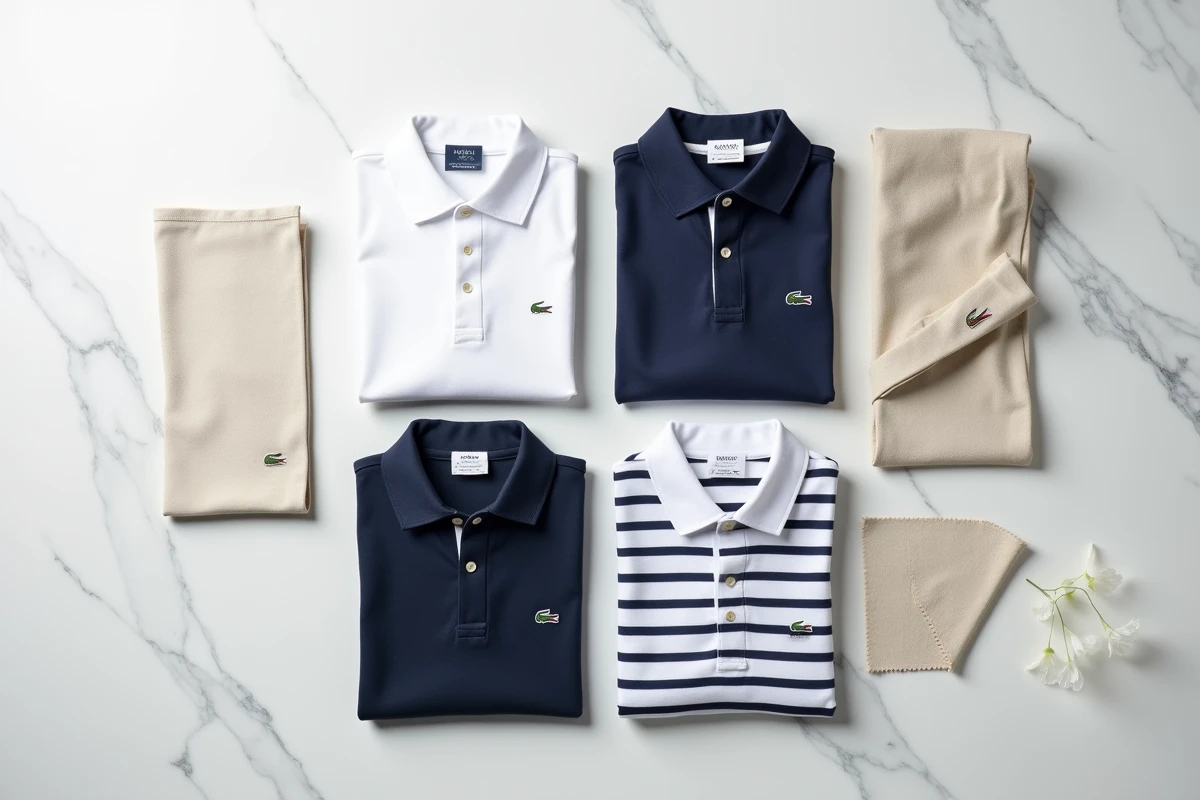
The boundary between the chic polo and the premium-priced technical hoodie is fading. A consumer who hesitates between a Lacoste polo and a New Balance “Made in USA” top no longer thinks in terms of product category. They think in terms of brand image and perceived value.
This shift poses a strategic problem for Lacoste: the brand must defend its tennis/French elegance identity while remaining relevant against competitors who speak the language of streetwear culture.
Digital direct-to-consumer brands: a recent front on premium polos
Since the pandemic, digitally native brands have positioned themselves in the same product space as Lacoste. Asphalte, Maison Standards, and Percival offer polos, knitwear, and sweatshirts in a comparable price range, with a direct-to-consumer model that eliminates intermediaries.
Their commercial argument is based on transparency: detailing manufacturing costs, material traceability, and communication focused on value for money. This discourse attracts the same style-sensitive consumers who question the premium associated with a historic brand.
- Asphalte communicates the cost price of each item and only produces on pre-order, reducing unsold stock
- Maison Standards focuses on durable basics with a positioning of “fewer pieces, better chosen”
- Percival, based in the UK, targets the same polo/knitwear niche with a retro-sporty aesthetic similar to that of Lacoste
These DNVBs (Digital Native Vertical Brands) will not replace Lacoste in volume. Their impact is mainly measured by the erosion of the justification for premium pricing among an informed clientele.
Brand identity and tennis heritage: Lacoste’s differentiation lever
In the face of this multiple competition, Lacoste has an asset that its rivals cannot replicate: an authentic heritage linked to tennis and French sporting elegance. The brand was created by a tennis champion, and this founding narrative remains credible because it is verifiable.
Lacoste’s recent strategy leverages this axis in several ways:
- Collaborations with ambassadors from sports and culture (the “Play With Icons” campaign or the extended partnership with Novak Djokovic) anchor the brand in contemporary tennis
- Presence at Paris Fashion Week repositions collections in a fashion context, not just sportswear
- The link with Roland-Garros remains a brand image vector that is difficult to compete with for brands without sporting roots
This brand personality built over nearly a century constitutes a barrier to entry. Ralph Lauren can claim the polo, Nike the sport, Asphalte the transparency. None of these competitors can claim the exact intersection of tennis, French elegance, and premium sportswear.

Differentiation strategy against Lacoste’s competitors: price, image, and channel
Differentiating in such a crowded market requires acting on three levers simultaneously.
The first is image control through storytelling. Lacoste does not sell a polo; it sells the idea of a lifestyle inherited from sport. This narrative must remain consistent across all channels, from the e-commerce site to physical stores.
The second lever concerns pricing policy. Too low, Lacoste loses its premium positioning. Too high, it competes with luxury houses that are better equipped. Maintaining an intermediate price only works if the perceived quality (materials, finishes, durability) remains superior to that of DNVBs.
The third is control of the distribution channel. Lacoste has developed its online business to compensate for declines in store traffic. The digital channel now represents a priority growth axis, but it also exposes the brand to direct comparison with brands born online.
Lacoste’s competitive landscape is not just a list of rival brands. The real pressure comes from shifting consumer expectations, who now evaluate a premium polo as much on its manufacturing transparency as on the embroidered logo on the chest.